When inventory is already in hand, the real question is not whether the product can sell, but which country should be your first target market.
Theoretical Basis
- Data-driven comparative advantage: combine sales index as a proxy for market heat with pricing level as a proxy for profit headroom.
- Cross-Border E-commerce Pilot Zone Evaluation Report (2025): Hangzhou focuses on Southeast Asia, Shenzhen on Europe and the US, and Guangzhou on Latin America.
1) A Fast Diagnosis Workflow (Portable Coffee Machine Example)
Step 1: Define the Product’s Core Attributes
| Dimension | Example Input | How to Check It in Nuozhou Cross-Border Analytics |
|---|---|---|
| Category | Small appliance | Choose “Kitchen & Dining / Coffee, Tea & Espresso” |
| Material | Food-grade stainless steel + PP plastic | Filter by the “Material” attribute |
| Function | 3-minute extraction / 55°C constant temperature | Search keywords like “portable coffee machine constant temperature” |
| Style | Nordic minimalist design | Use style tags such as “Instagram aesthetic” |
The more precise the product attributes are, the better the market matching quality will be.
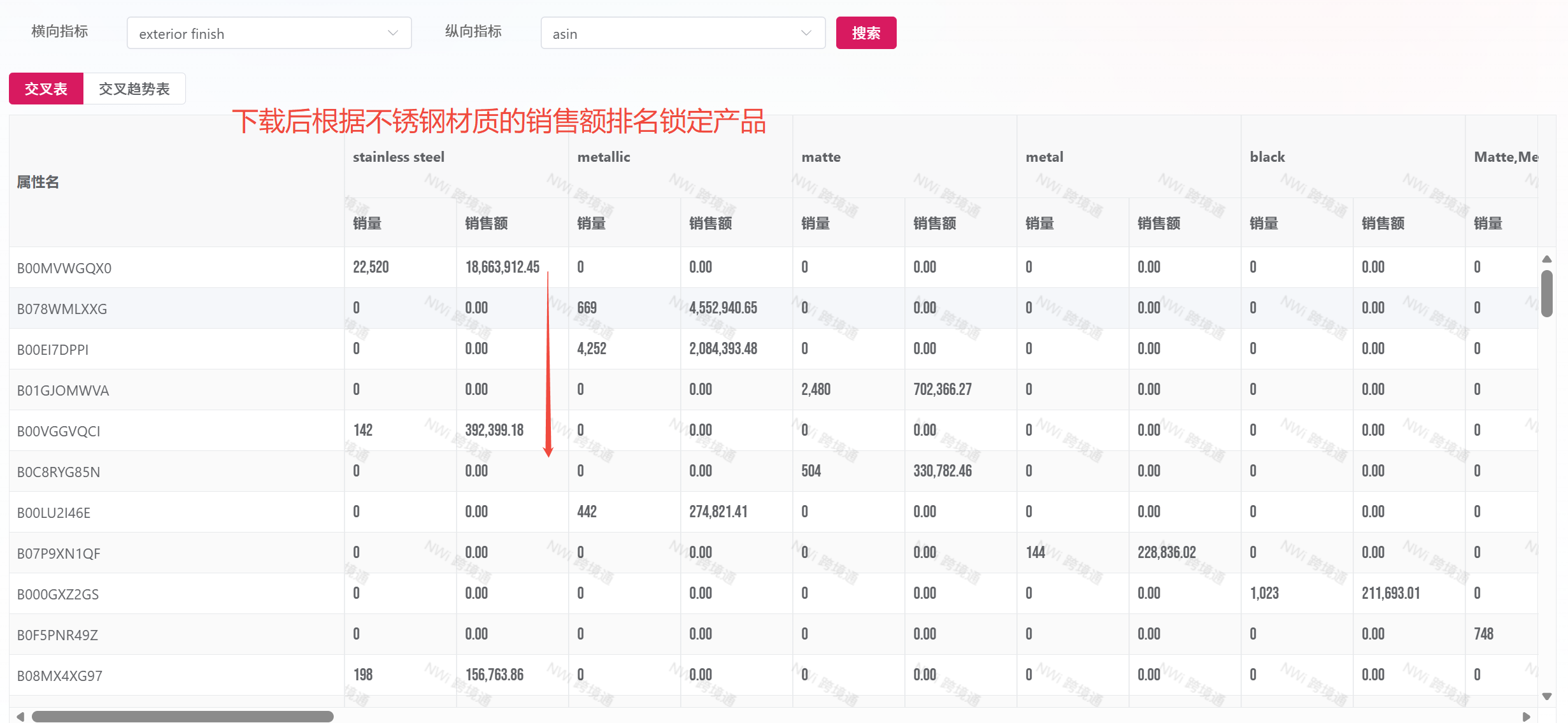
Step 2: Scan Multi-Country Market Data
Suggested path in Nuozhou Cross-Border Analytics: enter the core keyword “portable coffee machine” and then enable country and platform filters.
- Amazon: United States (USD), Germany (EUR), Japan (JPY).
- Shopee: Indonesia (IDR), Vietnam (VND), Brazil (BRL).
- Lazada: Thailand (THB), Philippines (PHP).
- Ozon: Russia (RUB).
Example output:
| Country / Platform | Sales Index | Average Price | Number of Competing Products |
|---|---|---|---|
| United States (Amazon) | 8500 | $59.9 | 19962 |
| Germany (Amazon) | 6200 | €69.9 | 1865 |
| Japan (Amazon) | 4800 | ¥12,800 | 4651 |
| Indonesia (Shopee) | 9300 | Rp 799K | 5500 |
| Brazil (Shopee) | 2100 | R$ 229 | 3501 |
Technical advantage: Nuozhou’s category standardization and currency normalization make the comparison directly usable across marketplaces.
Step 3: Build an Opportunity Matrix
Use sales index as the horizontal axis for market heat and average price as the vertical axis for profit headroom. This separates target markets into star markets, traffic markets, profit markets, and watch-list markets.
- Star market: Germany (€69.9, sales index 6200). High price and strong demand, but execution requirements are higher.
- Traffic market: Indonesia (Rp 799K ≈ $53, sales index 9300). Suitable for scale and inventory clearance, but margin is thinner.
- Profit market: Japan (¥12,800 ≈ $85, sales index 4800). Requires additional demand validation, but may be a blue-ocean niche.
- Watch-list market: Brazil (R$229 ≈ $45, sales index 2100). Not recommended as a first market right now.
Step 4: Make the Entry Decision
Suggested priority order:
- Germany: strong margin and moderate competition, but requires CE compliance and German-language packaging.
- Japan: very high margin and lower competition, but requires local certification and size/space adaptation for smaller homes.
- Indonesia: a good traffic-entry market, especially when paired with low-priced refill or accessory products.
Risk reminder: the US market may look large, but pricing is weaker than Germany and Japan while competition is much more crowded, so it is not the best first stop.
2) Core Tool Value and FAQ
Nuozhou Cross-Border Analytics = A Global Market Spotlight
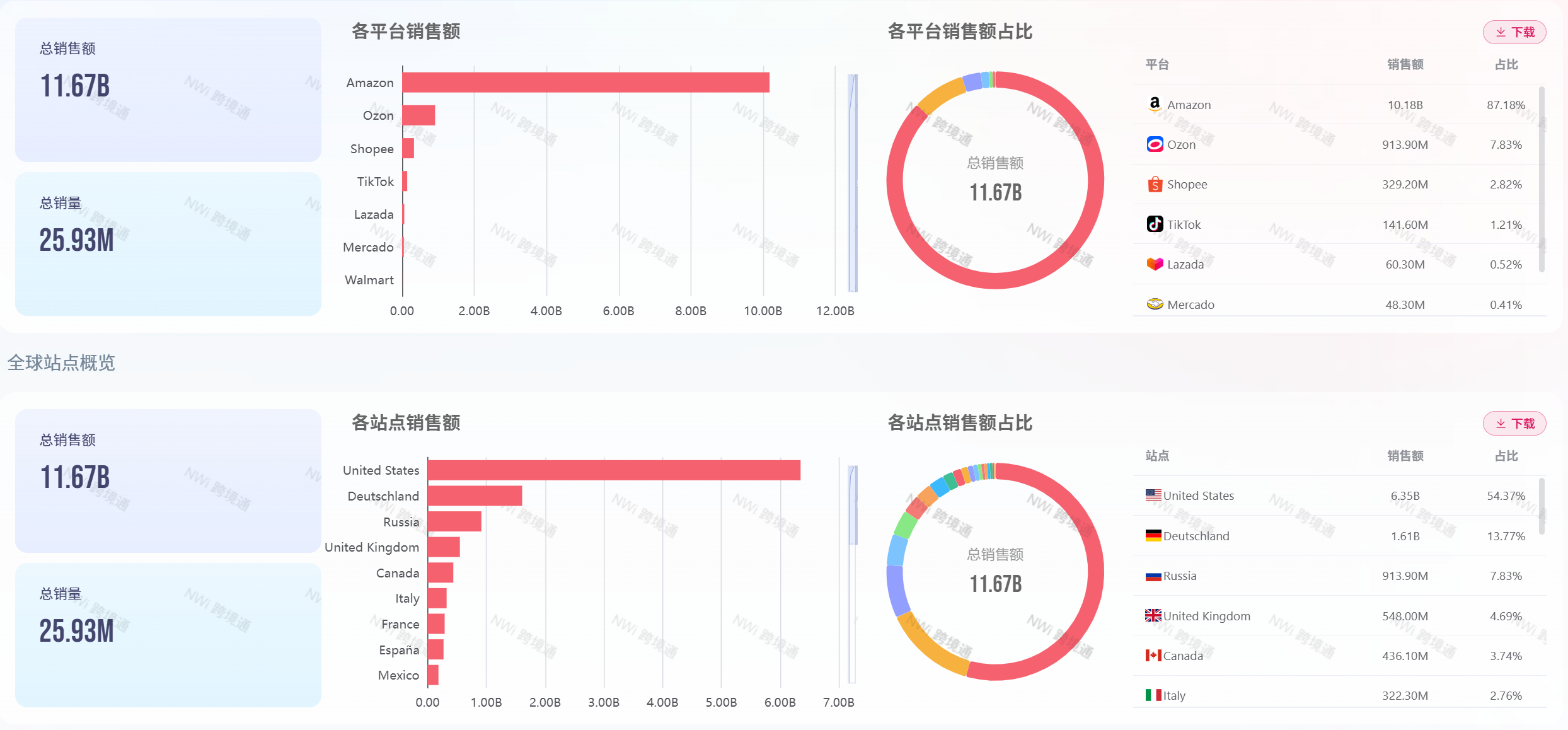
What makes it irreplaceable:
- It can scan data from Amazon, Shopee, Lazada, Ozon, and other major platforms in parallel within seconds.
- It helps build an opportunity matrix quickly so sellers can choose the best first market with less guesswork.