The Global Expansion Logic of Cross-Border Home Goods
In the wave of cross-border e-commerce, more and more Chinese sellers are turning their attention to theoverseas home goods marketHowever, best-selling home categories vary greatly across countries. In the United States, indoor bedding and party supplies see strong demand, while in Russia, outdoor furniture and garden tools are more popular. Behind seemingly scattered data lies a clear logic:Cultural differences are deeply shaping consumer demandand guiding the direction and positioning of cross-border products.
01
United States Market: Culture and Social Scenarios Drive Demand
Dual Best-Sellers: "Indoor + Party"
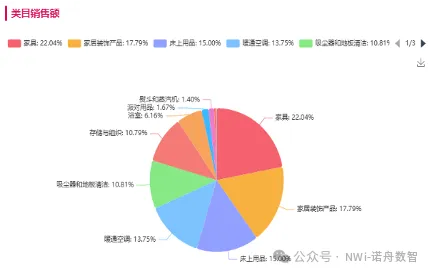
The latest Amazon U.S. home and kitchen data for May 2025 shows:
Furniture, home decor, and bedding account for more than50%and remain market-dominant; vacuum and floor-cleaning categories account for10.81%;
party supplies account for1.67%while irons and steamers account for1.4%forming differentiated niche markets.
Furniture, home decor, and bedding together account for over 50%, firmly maintaining market leadership. This means the focus of U.S. home consumption is still on "Indoor Space Optimization" and "improving living comfort", and consumers tend to improve core living spaces such as bedrooms, living rooms, and kitchens to achievea higher-quality home experienceWhether by upgrading bedding sets for comfort or by creating personalized ambiance with paintings, aroma products, and carpets, mainstream spending remains at the intersection of emotional value and daily practicality.
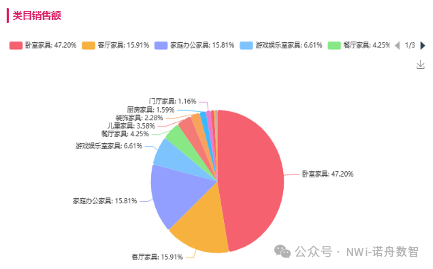
Bedroom furniture accounts for nearly half of home goods, showing consumers are placing significantly more emphasis oncomfort, privacy, and sleep qualityThis is undoubtedly a key area for cross-border sellers to enter.
Dining furniture ranks second, indicating U.S. consumers also pay high attention tothe dining areaCross-border brands can enter through convenient, fully functional, and design-forward products, such as modular dining sets, space-saving storage solutions, and table accessories that convey family ritual value. Combining practicality with design can make dining spaces more modern and aesthetic, driving repeat purchases and brand loyalty.
In the post-pandemic era, work-from-home has eased, but home office furniture still holds a 15% share, nearly equal to dining furniture. This showshome office needs are becoming long-termTherefore, sellers should focus on compact office furniture for flexible spaces, efficient ergonomic desks and chairs, and storage-enabled office products to meet long-term home-office needs.
Differentiated Niche Markets
Meanwhile, vacuum cleaners and robotic cleanersand other floor-cleaning products account for 10.81%, second only to mainstream furniture. U.S. consumers show strong demand forefficient, labor-saving home cleaning equipmentEspecially in a consumer structure featuringpet ownership, frequent social activities, and a high share of standalone homesfloor-cleaning products have upgraded from functional tools to household essentials, with clear room for technical iteration and brand premium.
Notably, small categories like party supplies (1.67%) and irons/steamers (1.4%) have limited shares but formculturally driven differentiated niches.
Americans value family gatherings, holiday celebrations, and social atmosphere. From birthday parties and backyard BBQs to baby showers, each life moment is tied to consumption scenarios, directly driving demand forscenario products such as paper cups and plates, fairy lights and balloons, and disposable tableclothsParty supplies mainly serve social scenarios like holidays, family gatherings, and weddings. Although not daily high-frequency, they highly depend on"atmosphere," "timing," and "repeat purchases"Under the U.S. consumer mindset that values ritual over formality, these products are culturally driven and content-friendly, making them ideal for focused premium niche branding.
Irons and steamers serve needs tied to office attire and garment care, mainly among middle-class households and professionals. Although the overall market is small, under the trend of"quality living" and "refined life management" consumption upgradesthe market remains stable.
02
Russia Market:
Cultural Revival Activates Outdoor Living and the Garden Economy
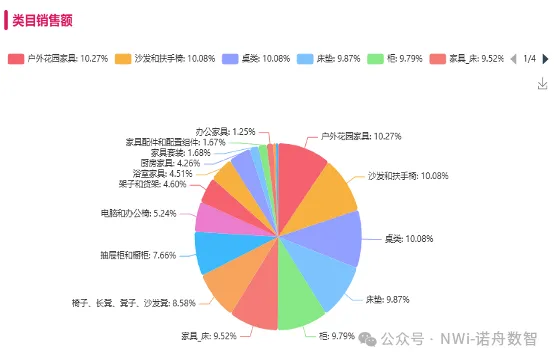
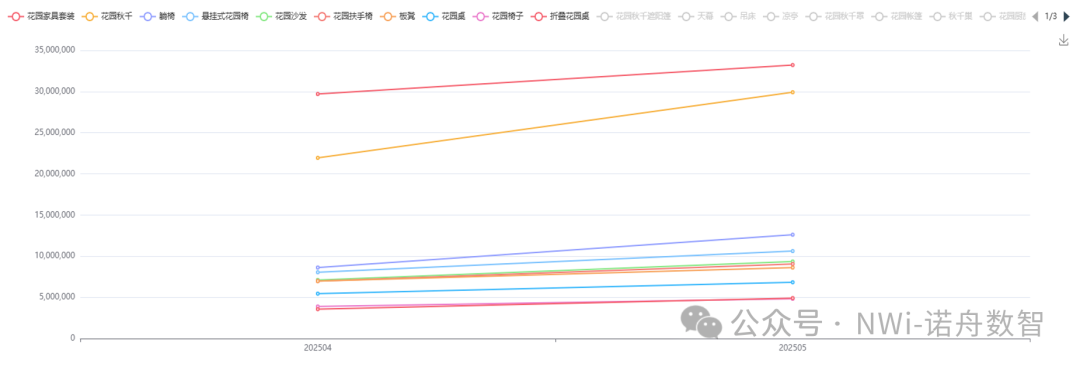
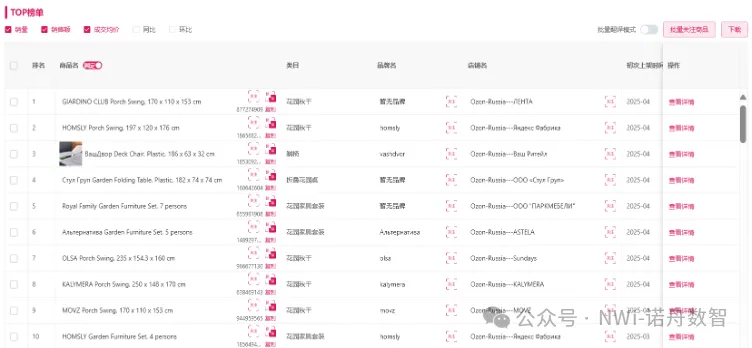
Compared with the U.S. focus on atmosphere-driven scenarios, Russia emphasizes coexistence with nature. According to Ozon data in May, outdoor garden furniture reached 10.27%, with obvious seasonal spikes in spring and summer.
Russians enjoy returning to country cottages each summer to grow vegetables, plant flowers, and sunbathe. It is both a lifestyle and an emotional continuity. Under this culture, garden furniture has become a consumption hotspot.
- Gardening supplies: planting tools, balcony flower racks, automatic watering devices, and home growing kits - Yard decor:swings and lounge chairssolar lights, garden sculptures, ornaments, and retro wind chimes
Selection suggestions:
- Emphasize"portable + durable"to suit outdoor usage and improve storage convenience in design - Follow a"pastoral healing"style using natural elements such as wood, wicker, and botanical patterns to match Dacha aesthetics
New Culture, New Demand
The 50% mainstream is essential demand; the 1% niche is where cultural differences create opportunity
Cross-border expansion is a dialogue of lifestyles
......
From "product export" to "cultural dialogue"is the core logic of long-term growth. Future cross-border competition is not just about more SKUs and lower prices, but about whounderstands users betterincluding their daily life, holiday habits, family structure, and cultural psychology. Truly sustainable global expansion uses products as bridges between cultures.