Labubu goes viral globally - tearing open the door for designer toys going global
June 16, 2025 Shanghai
NoahWise Insight
Cross-Border Insights Global Overview|Designer Toys Category
2025 Jun.
Labubu Goes Viral Globally
Tearing Open the Door for Designer Toys Going Global
Labubu "Tops the Charts"
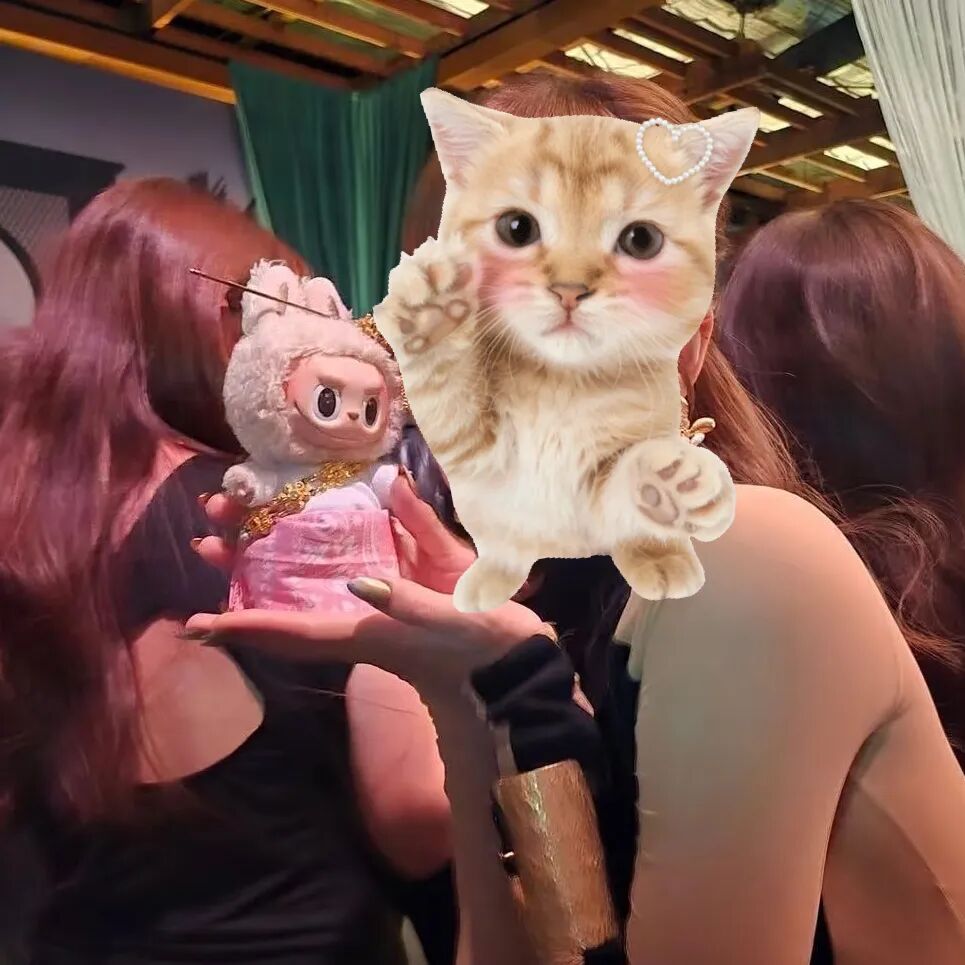
Thai K-pop superstar Lxxx, as Labubu's number one collector, has displayed Labubu dolls in front of global cameras on many occasions, fueling the toy's worldwide popularity. Many fans say
"Lxxx took Labubu with her to conquer America."
01
Top-tier Labubu conquers the world
Pop Mart's successful global expansion
Pop Mart's successful global expansion
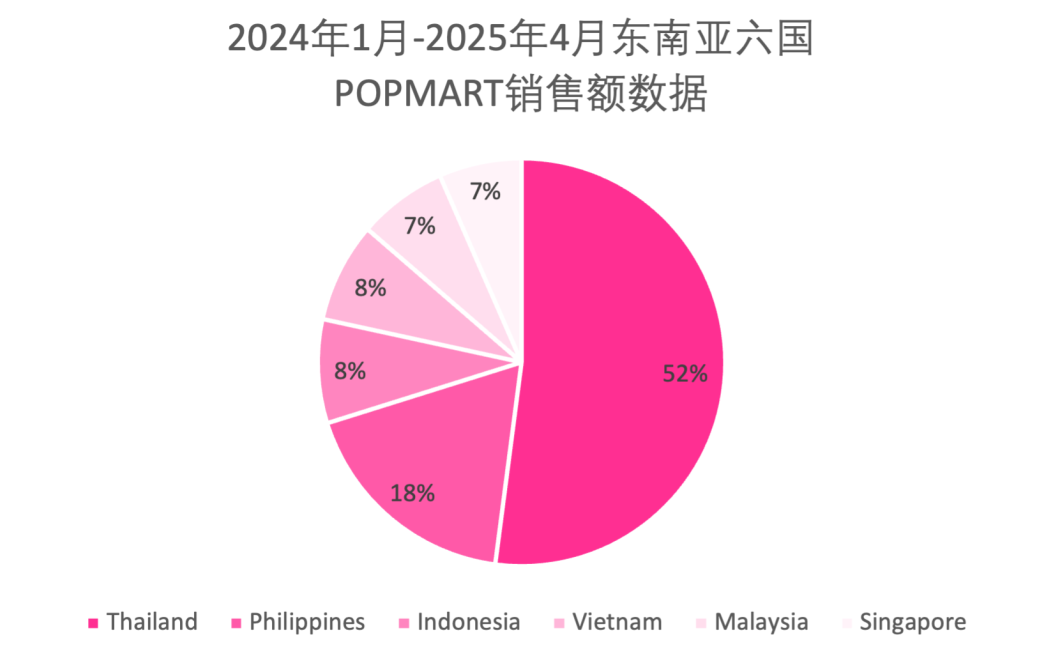
Source: NoahWise Insight-Cross-Border Insights
Before this
"topping the charts"
, Labubu had already gone viral once in Thailand, where it was held in the palms of Thai idol Lxxx.
When Lxxx first shared photos of herself with Labubu dolls on her personal social media accounts, it immediately ignited intense attention from fan communities and the designer toy scene. Thai fans quickly sparked an unprecedented Labubu craze. As a top idol with enormous global influence, Lxxx pushed Labubu from a niche designer toy circle toward a much broader young fan base, instantly boosting the brand's
visibility and reach in Southeast Asia
.
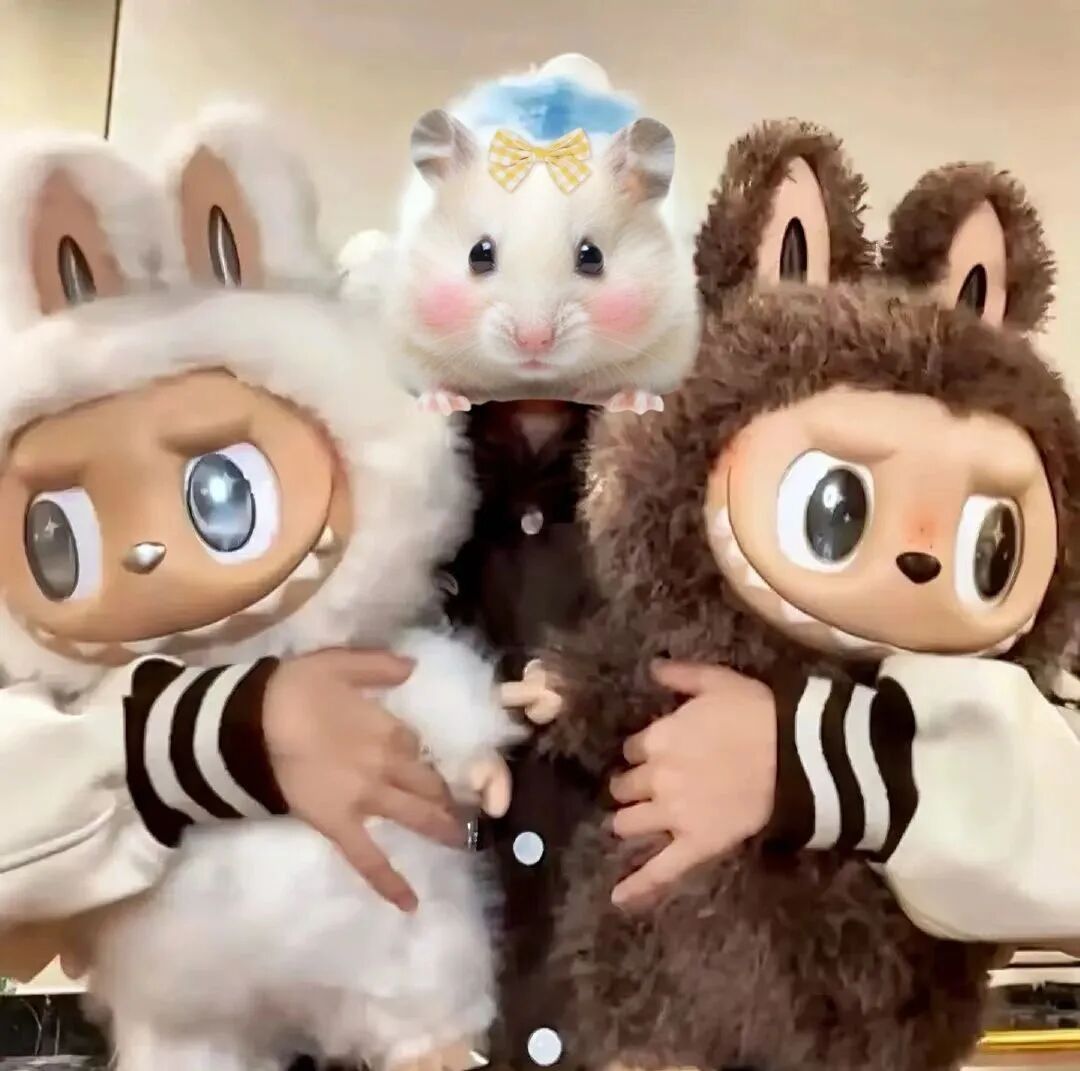
Since then, Labubu has firmly established itself worldwide as an icon of
youth, trend and fashion
, leaping from a niche designer toy circle into the ranks of top global pop-culture IPs. More and more celebrities, designers and fashion brands actively seek collaborations, steadily building its global and forward-looking cultural influence.
Labubu's rise to the top of the designer toy market is a continuation and elevation of its early accumulation and idol effect. Today, no matter where you are, Labubu represents
a fashion attitude and designer toy experience recognized by a whole generation of young people around the world
, leading a new wave in the global designer toy market.
Pop Mart
Pop Mart is a Chinese pop culture and entertainment company founded in 2010, headquartered in Beijing and founded by Wang Ning. The company focuses on the designer toy blind box sector, with
IP brand operations, designer toy retail and content marketing
at its core.
With Labubu's viral success, Pop Mart's
global expansion built around Labubu is beginning to pay off
.
Over the past few years, the company has accelerated its overseas expansion across North America, Europe and Southeast Asia, opening flagship stores and pop-up stores in core cities while pushing online channels at the same time, reaching young consumers worldwide through an
"online + offline"
network.
Today, Labubu has become Pop Mart's
"trailblazer"
in the global market, effectively driving its other designer toy IPs such as Molly, PUCKY and SKULLPANDA overseas, and delivering rapid growth in the brand's global presence and sales performance.
02
Get rich overnight or lose everything overnight?
How to capture the Labubu dividend
How to capture the Labubu dividend
"Lagogo" and "Lababa"
Labubu's viral success has everyone wanting a piece of the pie. Many sellers even believe
"fortune favors the bold"
, flooding Amazon, AliExpress and other platforms with unauthorized Labubu products such as "Lababa". Infringement cases erupted, and in serious cases were even handed over to public security authorities —
losing everything overnight
.
In the long run, speculative sales of infringing and pirated products are unsustainable, and may even bring legal liability and reputational risk. The right choice is to follow market trends and consumer demand by developing
licensed derivatives such as creative doll clothes
.
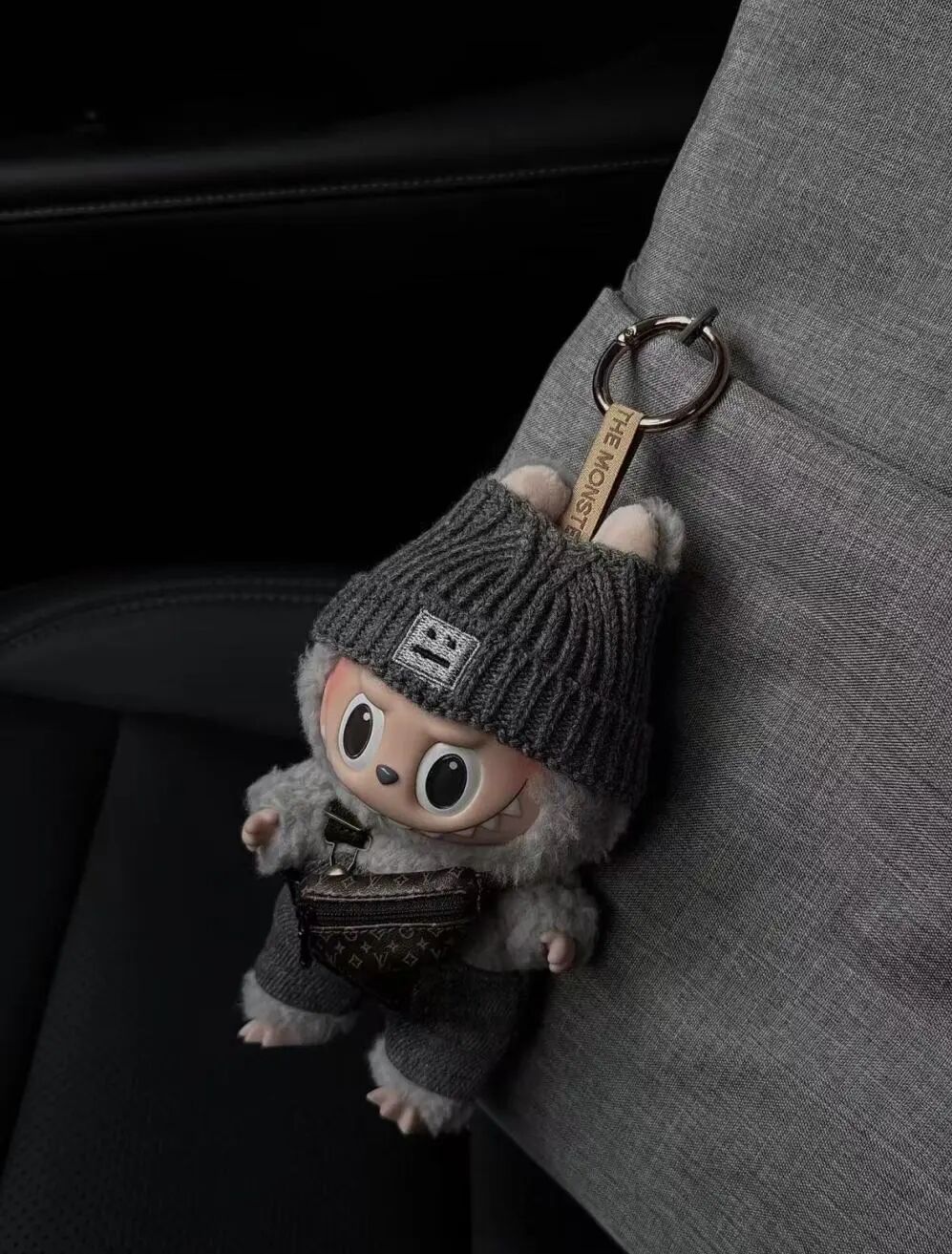
The skyrocketing Labubu now carries LV
The designer toy market is gradually moving from
"pure collecting"
to a new stage of
"interactive consumption" and "immersive experience"
.
The
"licensed derivatives + DIY dress-up"
model can stimulate more frequent and deeper purchase desires, attracting a large number of young consumers who gain emotional value and creative satisfaction from personal customization.
Selling Labubu doll clothes not only complies with laws and regulations and protects creators' rights, but also fits market demand and business logic under consumption upgrading. This path has stable and solid investment, a clear long-term monetization route, and can form a virtuous operating cycle that fully unleashes the commercial value of a great IP.
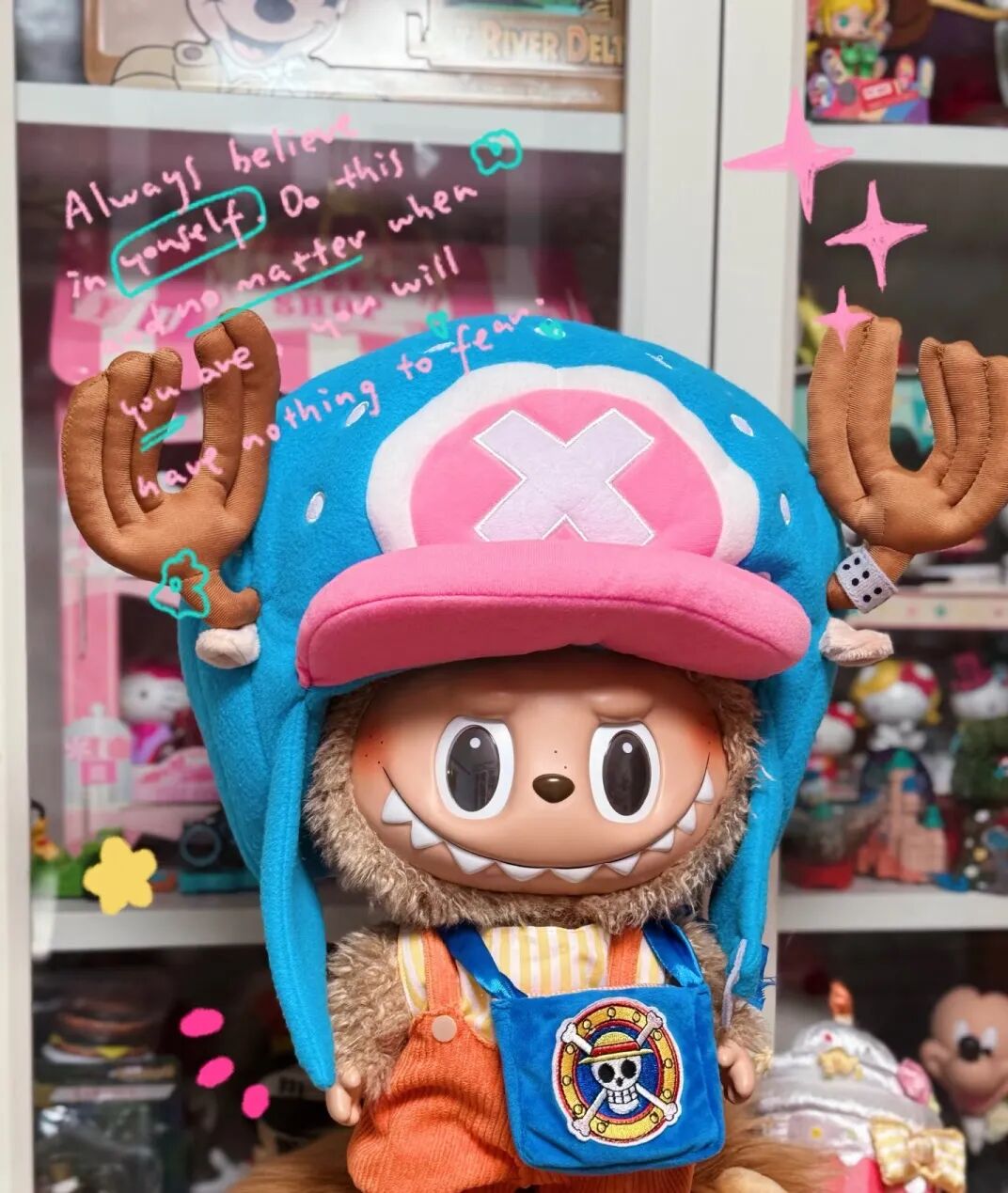
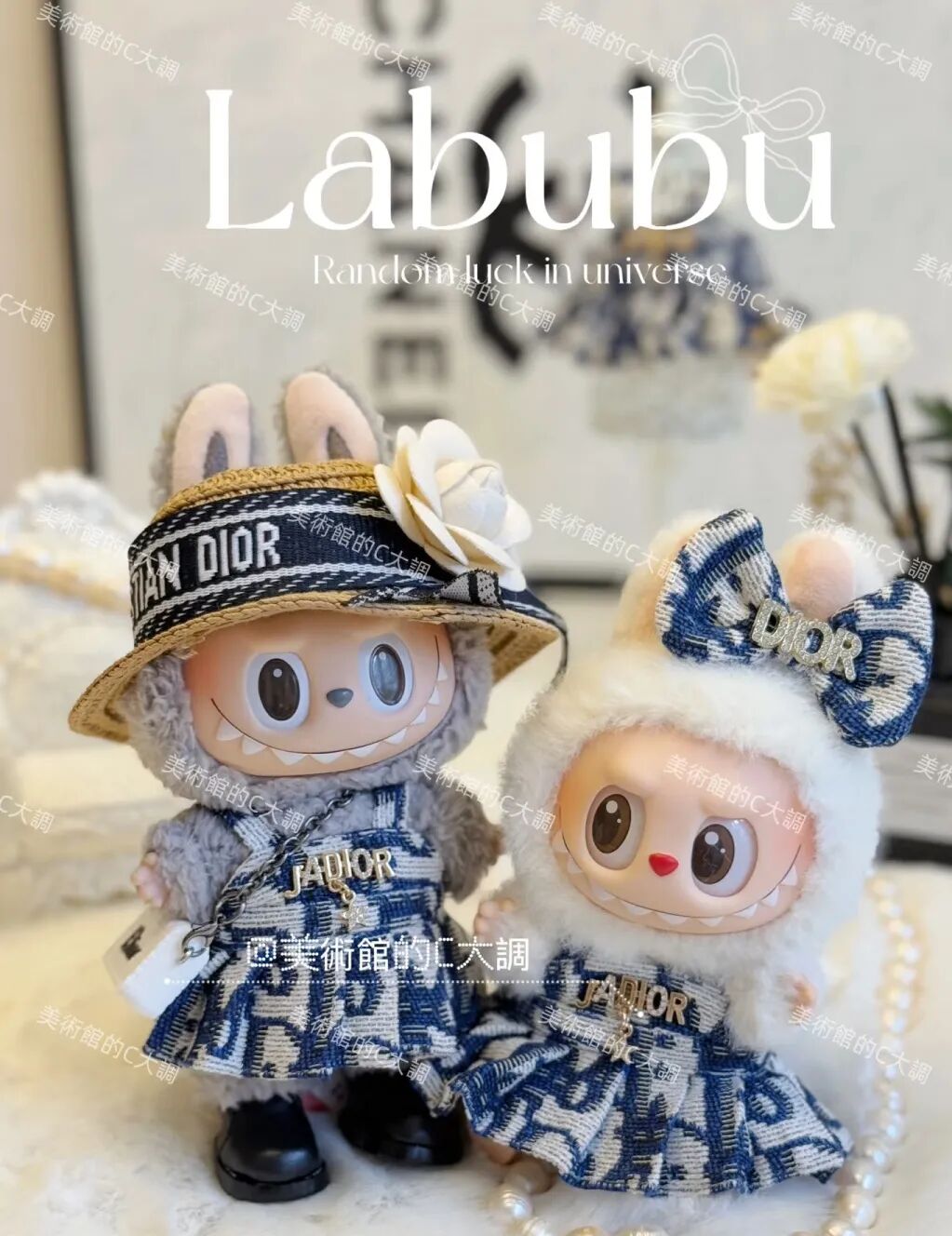
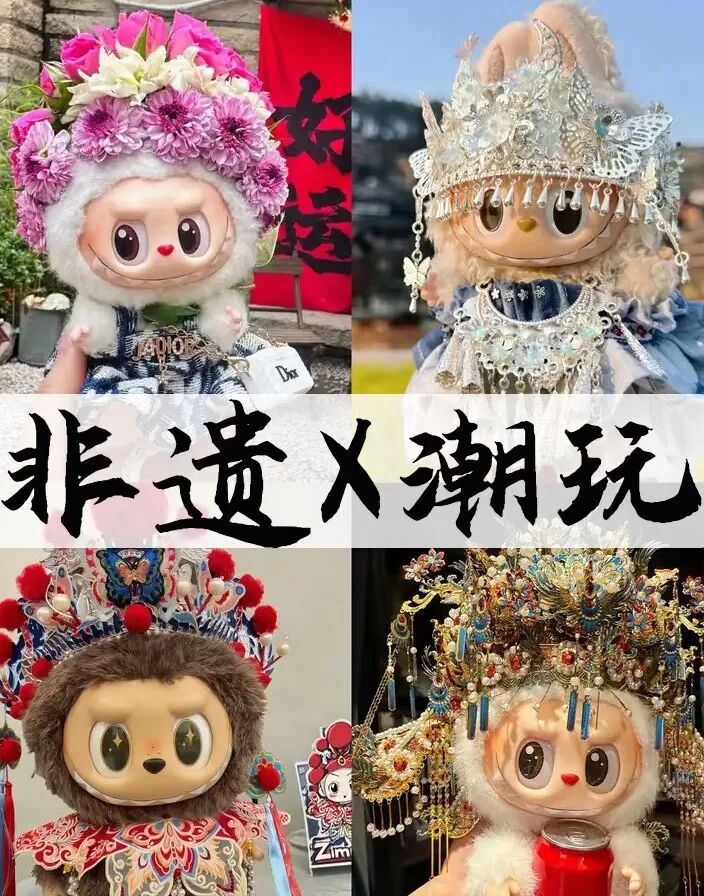
Not just Labubu — dolls of many well-known IPs need clothes. Rather than spending enormous energy betting on the next viral IP with all its uncertainty, it is better to build on current market hotspots and
focus on developing derivatives of popular IPs
.
03
Everyone wants to be the next Labubu
But no one wants to be the next Disney
But no one wants to be the next Disney
The global consumer market is shifting toward young people
When young people no longer speculate in houses, stocks and Moutai, but bid a doll up to astronomical prices, the global consumer market is shifting toward the young — Labubu has become a
"wealth product"
for young people.
Labubu's viral success is the result of the designer toy market nourishing the cultural and entertainment consumption needs of the younger generation. However, the huge profits in designer toys often come with the
uncertainty and non-replicability
of IP development.
Where is the next Labubu?
"The next Labubu" may not exist in a single design inspiration or an accidental phenomenon. It depends more on accurately grasping market trends, deeply understanding user psychology, and continuously refining the IP's cultural foundation and business ecosystem. In the long run, works with
artistic vitality, cultural reach, distinctive personality, and the ability to build strong emotional resonance
are the ones that truly stand the test of time and become genuine investment "darlings".
The overnight fame and wealth effect of Labubu is a huge and direct temptation for many brand operators. Unlike Labubu's rapid surge, market hype and high-premium monetization, Disney's rise has been
steady, calm and long
. The logic and path behind its success are hard to simply replicate — they require long-term accumulation, mature IP operating models and solid cultural craftsmanship.
Labubu's success carries the typical features of fast-moving entertainment products in a sluggish global economy. With a novel and adorable image, effective social media marketing, user word of mouth, and the buying power of top players, it climbed to the top of the designer toy market in a short period. But once the heat fades, without
sustained content output and emotional accumulation
, an IP's popularity can easily be short-lived.
By contrast, the reason Disney has stood firm for decades is not simply that its IP was hot for a while, but rather its
continuous and stable story production and the deepening development of IP meaning
.
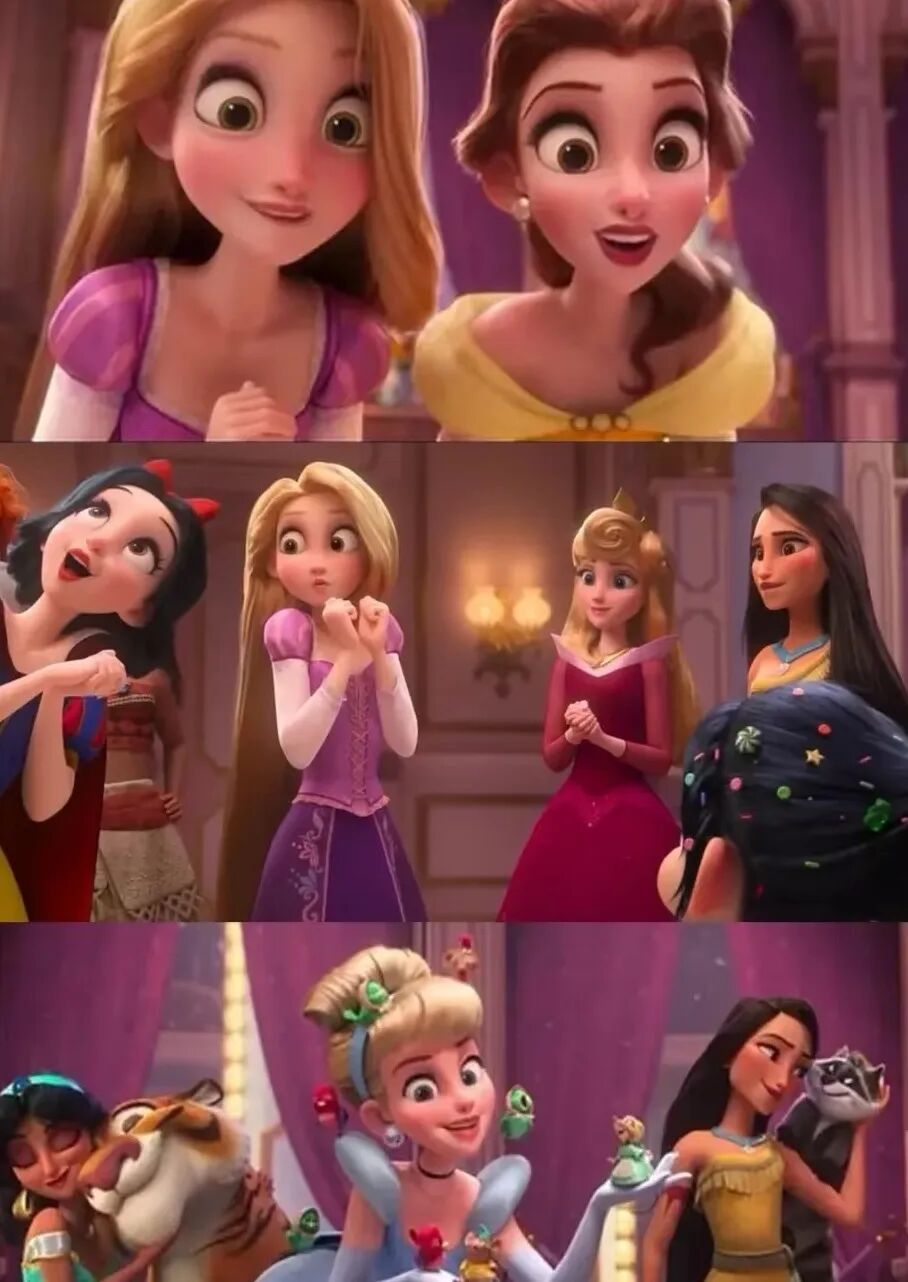
Disney keeps producing classic characters that transcend generations, delivering multi-layered, multi-angle cultural output through film and TV, theme parks, books and merchandise, generating a steady stream of cultural influence and commercial returns. Its IPs are constantly rediscovered and loved by new generations of young audiences, so emotional connections are sustained and even strengthened.
Build a Disney while making Labubu
Not every doll is as "lucky" as Labubu, but what is visible is that the global designer toy market is still a blue ocean. Young consumers increasingly value satisfying their personal needs and spiritual pursuits. Designer toys are in a period of rapid growth, with
penetration and consumption far from saturated
and enormous market space remaining.
The designer toy consumer base is also diversifying. At first, its main audience was limited to subcultural circles and young niche groups, but it has now increasingly crossed boundaries of age, gender and region. Toys are no longer just for children — they are becoming an important consumer good for young consumers and even the middle class in terms of spiritual pursuit and emotional attachment, and some viral IPs have even attracted A-list film and TV stars. With cultural consumption upgrading, stronger emotional needs, and increasingly thriving online and offline channels,
higher-quality, better-designed designer toy products
are more likely to take the lead in this expanding market.
Beyond China, Japan and South Korea where designer toys first flourished, consumption is also growing noticeably in Southeast Asia, Europe, America and the Middle East. This global footprint is a key growth point for the industry going forward. Many designer toy brands, including Pop Mart, have started expanding into these emerging markets, actively building
online sales networks and physical store systems
with good initial results.
Although only a few IPs achieve success as dazzling as Labubu's, the industry's overall growth trend is already clear. Facing strong demand potential, designer toy brands that cultivate innovation in design, IP operations, value building and global presence still have plenty of room — and may even create long-term classic IPs that surpass Labubu's influence, truly building a globally influential pop culture industry. Labubu's popularity remains high; it tore open the breakthrough for designer toys going global and won valuable first-mover advantage in international markets. After fully enjoying the market dividend of this blockbuster IP, Pop Mart must next think about how to
iterate and refresh its IPs properly
, exploring more new IPs with international competitiveness to further strengthen its global brand competitiveness and sustainable development capabilities.
Some images are sourced from the internet. Please contact us for removal if there is any infringement.